Compare Local Contractors for Expert Shrub Shaping Services
Compare local contractors for shrub shaping to clearly define scope, verify experience, and set expectations in writing for a successful project.
Shrub shaping is a specialized aspect of landscape maintenance that involves trimming, pruning, and contouring shrubs to enhance their appearance and health. This work typically covers tasks such as removing overgrown branches, defining shrub outlines, and maintaining uniformity across plantings. Proper shrub shaping can improve curb appeal, promote healthier growth, and help integrate the shrubs seamlessly into the overall landscape design. When planning this type of work, property owners should consider the specific types of shrubs present, the desired aesthetic, and the level of detail needed to achieve the intended look.
Defining the scope of shrub shaping projects is essential for ensuring clear expectations and successful results. A detailed scope outlines the specific tasks to be performed, the areas to be addressed, and the desired outcomes. This clarity helps prevent misunderstandings and ensures that both property owners and contractors are aligned on what will be done. When discussing potential work, it’s helpful to specify whether the focus is on light trimming for maintenance, reshaping for aesthetic purposes, or significant pruning to control size and shape. Documenting these details in writing can serve as a reference throughout the project and reduce the likelihood of disputes.
Property owners can compare local contractors for shrub shaping by examining their experience, reputation, and the scope of services offered. It’s advisable to review any available references or previous work examples to gauge the quality of their work. Asking potential contractors about their approach to shrub shaping and the types of shrubs they have experience with can provide insight into their expertise. Additionally, verifying that the scope of work is clearly defined and documented in writing helps ensure transparency and accountability. Comparing how contractors communicate, the thoroughness of their proposals, and their understanding of the property’s needs can assist in selecting a service provider that aligns with individual landscape goals.
Compare local contractors by outlining your priorities, verifying experience, and clearly defining project scope and expectations.
- Verify Experience - Ensure contractors have a proven track record in shrub shaping to meet specific project needs.
- Define Scope Clearly - Clearly outline the desired shrub shaping outcomes to align expectations with service providers.
- Compare Local Contractors - Review qualifications and service offerings to find suitable professionals for shrub shaping projects.
- Get Written Agreements - Document scope, responsibilities, and expectations to prevent misunderstandings during the project.

Clearly describe your shrub shaping project and compare local contractors based on experience and scope to set clear expectations.
- Verify experience and expertise in shrub shaping to ensure the contractor understands proper techniques. - Look for service providers who clearly define the scope of work and shaping style in written agreements.
- Compare multiple local contractors to assess their approaches and ensure consistency with desired shrub appearance. - Consider the methods and tools used by different providers to find the best fit for the landscape.
- Ensure contractors can provide references or examples of previous shrub shaping projects upon request. - Request details about past work to gauge the quality and style of their shaping services.
- Discuss and document specific shaping goals, such as height, form, or symmetry, in writing before work begins. - Clear expectations help prevent misunderstandings and ensure satisfaction with the final result.
- Check that the scope of work covers pruning, trimming, and shaping techniques appropriate for the shrub type. - Confirm that the service provider understands the specific needs of the shrubs being shaped.
- Review the contractor’s process for ongoing maintenance or follow-up shaping to maintain shrub health and appearance. - Clarify whether future touch-ups or adjustments are included or available.
Use this to compare local contractors, clarify scope, verify experience, and set clear expectations.
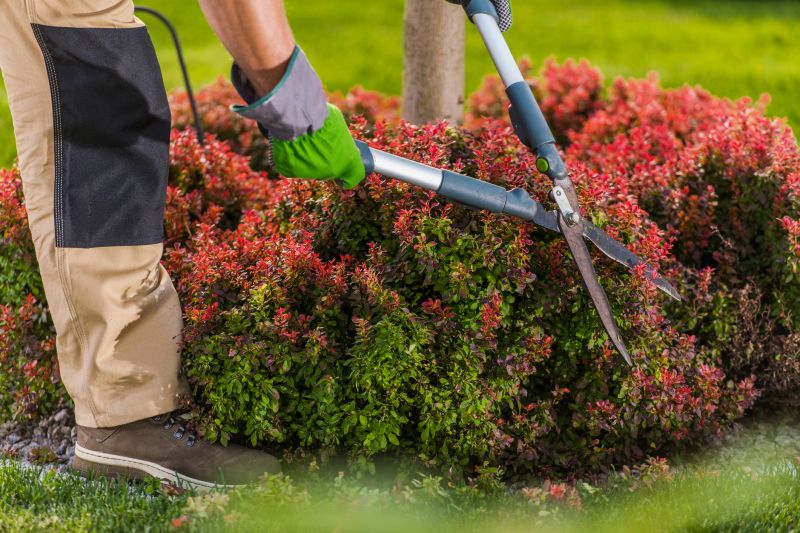
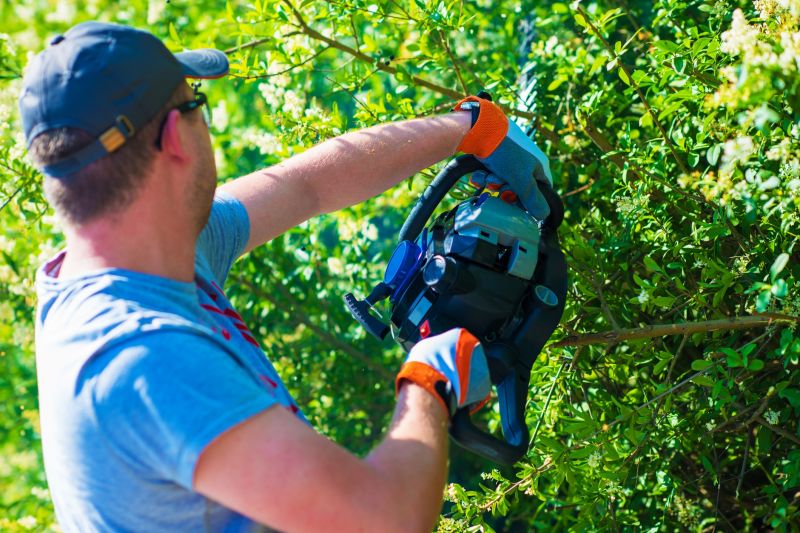
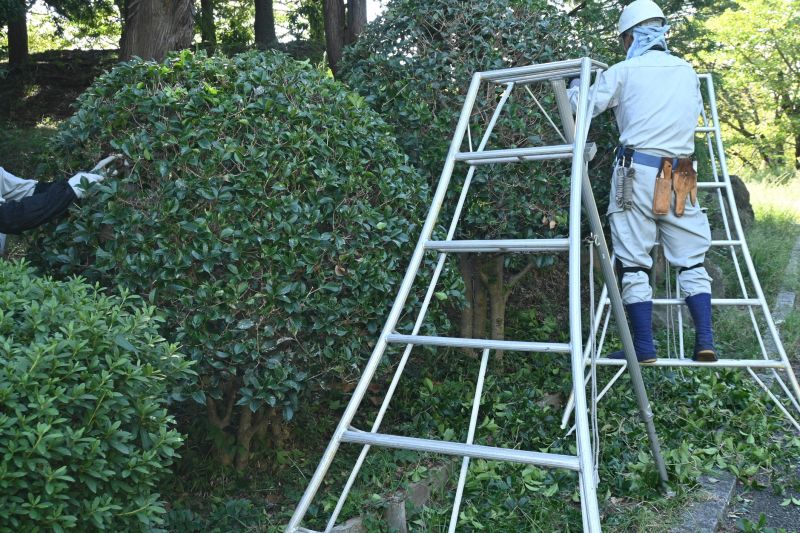
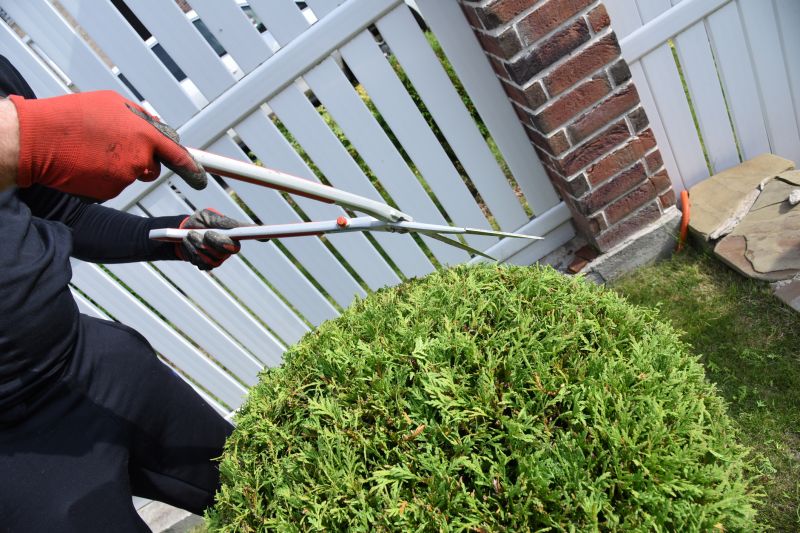
Learn how to compare local contractors, define the scope, verify experience, and set clear expectations in writing.
- Define the desired shrub shape and overall appearance to guide the shaping process.
- Identify the specific shrubs to be shaped and assess their size and growth patterns.
- Verify the experience and reputation of service providers in shrub shaping services.
- Clarify the scope of work, including pruning techniques and areas to be shaped or thinned.
- Ensure all project details and expectations are documented in writing before work begins.
When comparing contractors for shrub shaping, it is important to assess their experience with similar projects. Homeowners should inquire about the types of shrub shaping jobs they have completed and the variety of plant varieties they have worked with. A contractor with a proven track record in shaping shrubs comparable to those on the property can provide insights into their familiarity with different plant types, growth patterns, and shaping techniques. Verifying a contractor’s experience helps ensure that they understand the specific requirements of shrub shaping and can deliver results that meet expectations.
A clear and detailed written scope is essential when evaluating potential service providers. Homeowners should seek proposals that specify the extent of work, including the number of shrubs to be shaped, the desired style or form, and any specific trimming guidelines. A well-defined scope helps prevent misunderstandings and ensures that both parties have aligned expectations. It also provides a basis for comparing different contractors’ approaches and the level of detail they offer in their service descriptions.
Verification of a contractor’s background basics involves confirming their familiarity with local plant varieties, understanding of shrub health, and adherence to industry best practices. Homeowners can ask about the methods used to assess shrub health before shaping, the tools and techniques employed, and how they handle potential issues such as over-pruning or damage. While formal licensing and certification are not the focus, gathering information about a contractor’s approach to shrub health and their general experience can help determine their capability to perform quality work.
Evaluating options without discussing prices involves focusing on the quality of the proposal, the clarity of the scope, and the contractor’s experience. Homeowners should compare how well each service provider understands the project’s needs, the professionalism of their written communication, and their approach to the work. Gathering references or examples of previous shrub shaping projects can provide additional insight into their capabilities. By concentrating on these factors, homeowners can identify service providers who are well-qualified to handle the job and ensure that the scope of work is clearly understood before any work begins.
Request written descriptions of the scope of work to ensure clear expectations and consistent shrub shaping results.
- Experience and Expertise - What specific experience do local contractors have with shrub shaping projects similar to yours?
- Scope of Work - How do contractors define and document the scope of shrub shaping services included in their proposals?
- Methods and Techniques - What shaping techniques and tools do service providers typically use to achieve desired results?
- Materials and Supplies - Are the types of tools, pruning equipment, and plant care materials clearly outlined in the scope?
- Communication and Expectations - How do local contractors ensure clear communication about project details and set expectations in writing?
How can I compare contractors for shrub shaping services? To compare local contractors, review their experience, verify their reputation through reviews or references, and ensure they clearly define the scope of work in writing.
What should I consider when defining the scope of shrub shaping? Clearly outline the desired shape, size, and specific trimming details to ensure contractors understand your expectations and provide accurate proposals.
How can I verify a contractor’s experience with shrub shaping? Ask for examples of previous work, request references, or look for reviews that mention shrub shaping projects similar to your needs.
Why is it important to have the scope of work in writing? Having the scope documented helps prevent misunderstandings, sets clear expectations, and provides a reference for the completed work.
What questions should I ask a contractor before hiring for shrub shaping? Inquire about their experience, methods, materials used, and how they handle specific shaping requests to ensure they can meet your requirements.
How can I ensure the contractor understands my shrub shaping preferences? Communicate your desired outcomes clearly, preferably in writing, and review the scope with the contractor before work begins to confirm mutual understanding.
By exploring options for shrub shaping services, visitors can learn how to identify qualified local contractors, define the scope of their project, and verify experience to ensure the work aligns with expectations. Comparing different service providers through detailed discussions and written agreements helps set clear boundaries and reduces uncertainties, making the process more manageable.
Utilizing the quote form allows for an efficient way to gather information and compare local contractors side by side. This approach supports making informed decisions by providing a straightforward method to connect with experienced service providers who can handle shrub shaping needs effectively.